
Fragmented control
Safety arbitration and policy learning live in separate modules, producing handoff complexity and harder incident analysis.
Safe adaptive robot intelligence
Zahavi is an adaptive safety runtime for collaborative robots. It intervenes inside the control cycle, records the precursor states that produced the hazard, and turns each intervention into a persistent learning signal.
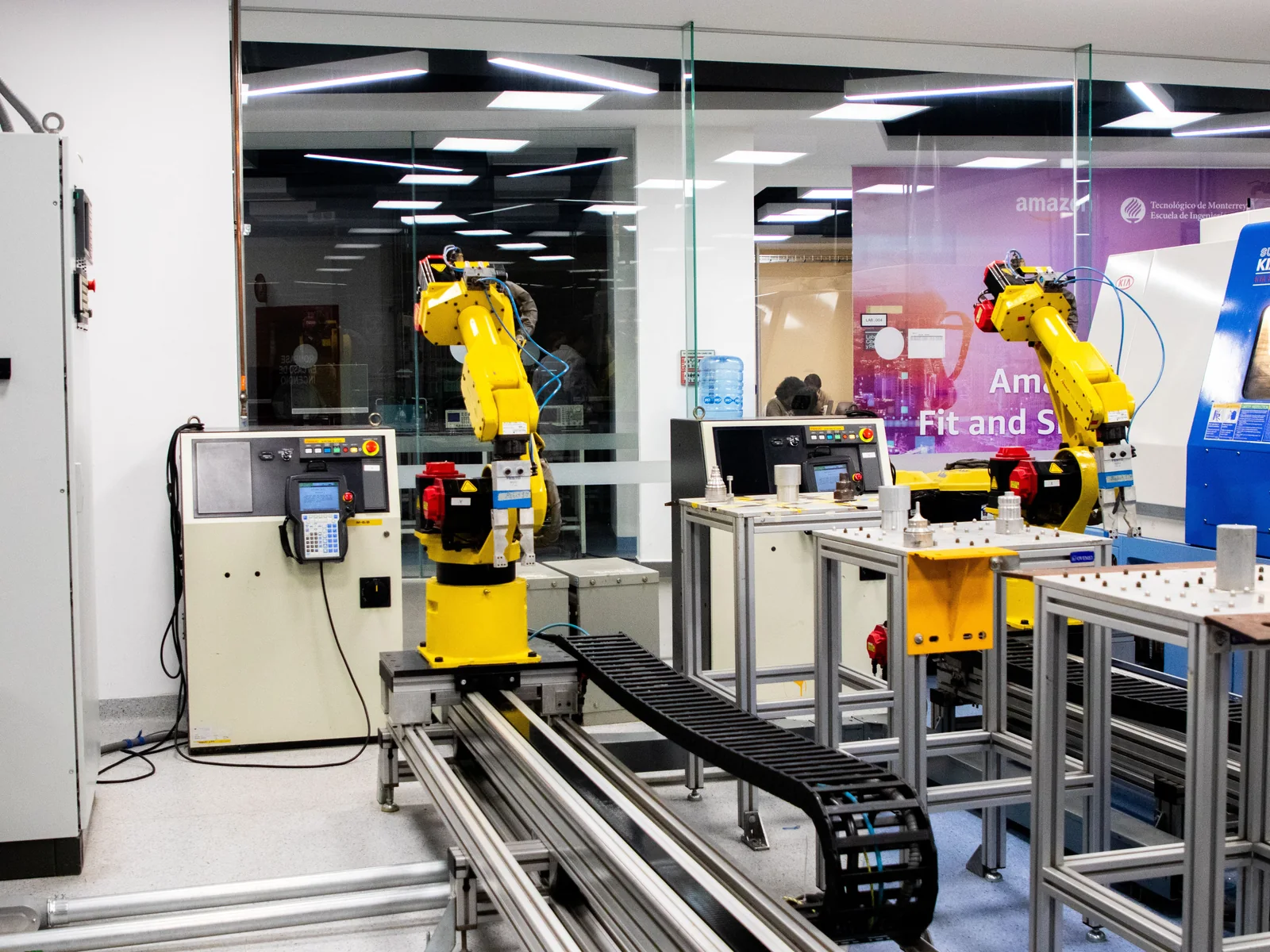
Proximity and velocity threshold exceeded
Slow pathway wrote an eligibility trace for the precursor state sequence.
Designed around common robotics stacks
ROS 2Universal RobotsKUKAABBFANUCFrankaThe operating problem
Conventional safety layers often sit beside the learning system. They can block unsafe behavior while leaving the policy unchanged, which means the same failure trajectory can return.
Safety arbitration and policy learning live in separate modules, producing handoff complexity and harder incident analysis.
A shield may block an unsafe action indefinitely without teaching the policy which earlier states made the action likely.
New SKUs, layouts, tools, and operator movement patterns often trigger another cycle of simulation and retuning.
Dual-pathway architecture
The fast pathway suppresses the current action. The slow pathway attributes the event to precursor state-action pairs, creating a persistent signal for future policy improvement.
View the complete modelFuse proximity, force, depth, speed, and custom risk signals into a normalized action-level estimate.
The fast pathway reduces or vetoes dangerous actions before execution, with categorical override dominance.
The slow pathway records the precursor states so the policy can move away from the trajectory that produced the hazard.
Every estimate, intervention, trace write, and update can be timestamped for engineering review.
Deployment context
Zahavi is designed for robotics teams moving between research, integration, commissioning, and production operations.



Applications
High-mix production, close human collaboration, and rapid changeovers expose the limits of fixed assumptions.
Learn variant-specific behavior while preserving explicit safety boundaries.
Explore use case →Respond to dynamic movement while improving precursor-state prediction.
Explore use case →Use historical traces to regain stable operation after layout and product changes.
Explore use case →Embed estimation, suppression, trace management, and observability into controller software.
Explore use case →Validation discipline
Zahavi's public site separates engineering objectives from certified performance. A pilot should define the workcell, failure mode, baseline, intervention latency, throughput impact, and audit requirements before deployment claims are made.
Target software intervention latency on supported controller hardware.
Target steady-state throughput reduction after tuning.
Target logging coverage for intervention and trace events.
Unverified certification claims before independent testing.