
Applications
Adaptive safety for changing workcells.
The strongest use cases are environments where the robot must improve while the operating context, object mix, layout, or human movement pattern keeps changing.
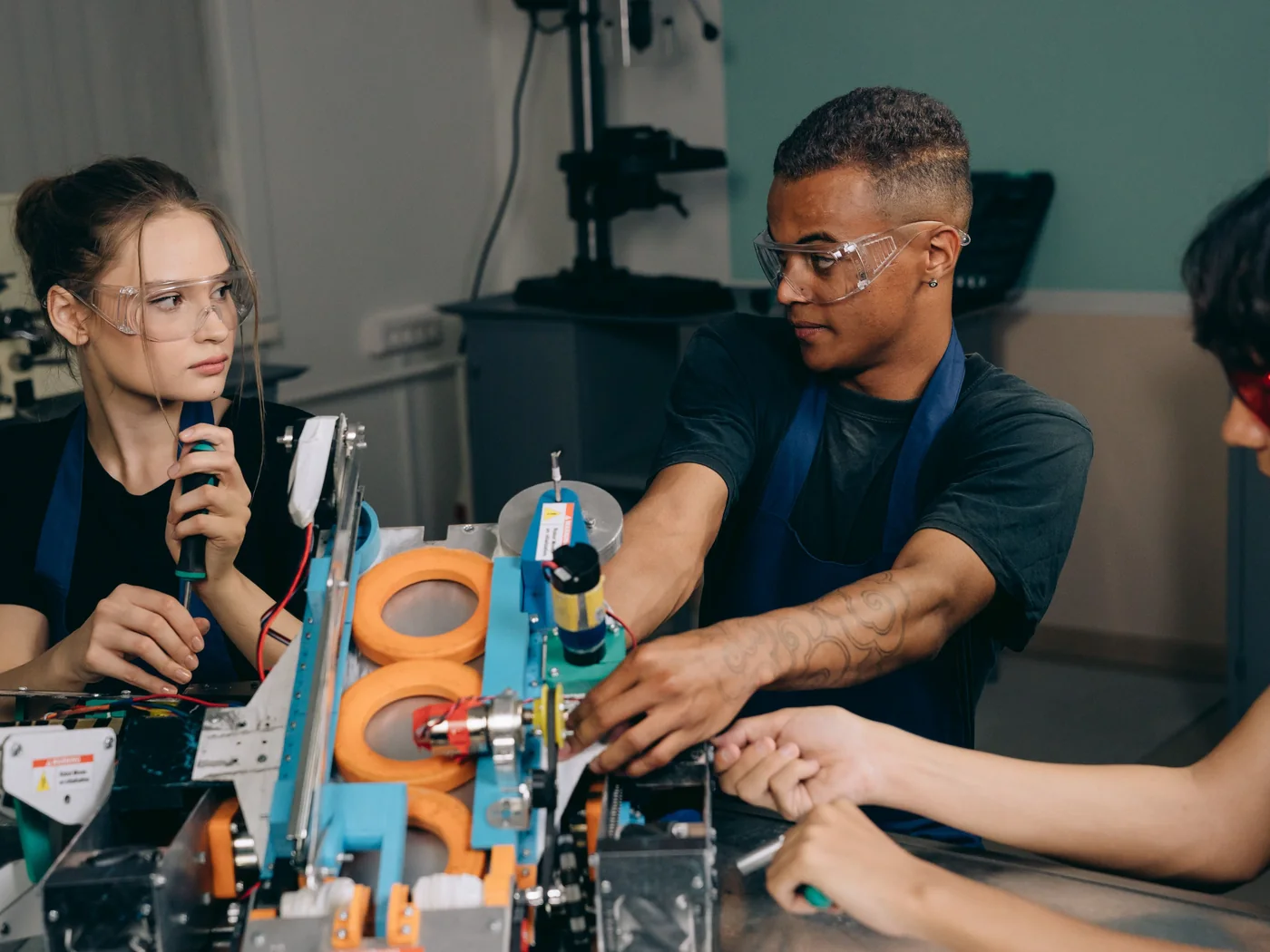
01 · High-mix assembly
One cell, many object variants.
Rigid, fragile, reflective, and deformable objects can require different approach trajectories inside the same cell. Zahavi is intended to preserve explicit limits while allowing the policy to improve variant-specific behavior.
- Pick, place, and insertion
- Electronics and precision assembly
- High-mix, low-volume production
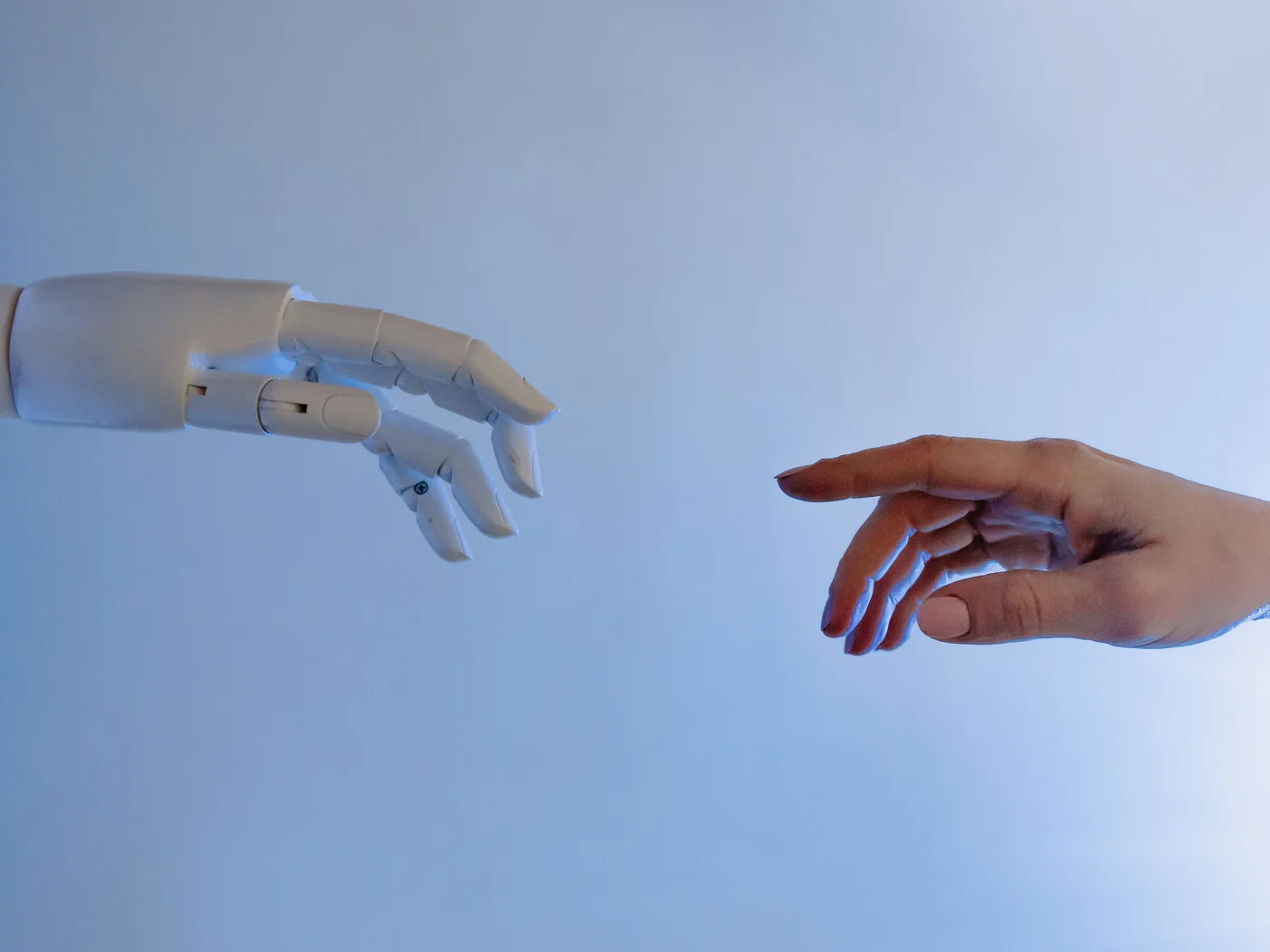
02 · Human proximity
Respond to the operator and learn the precursor pattern.
A proximity event is not only a reason to slow or stop. It is also evidence about the states, timing, and movement pattern that made the conflict likely.
- Collaborative assembly cells
- Intralogistics and handoff tasks
- Dynamic operator movement
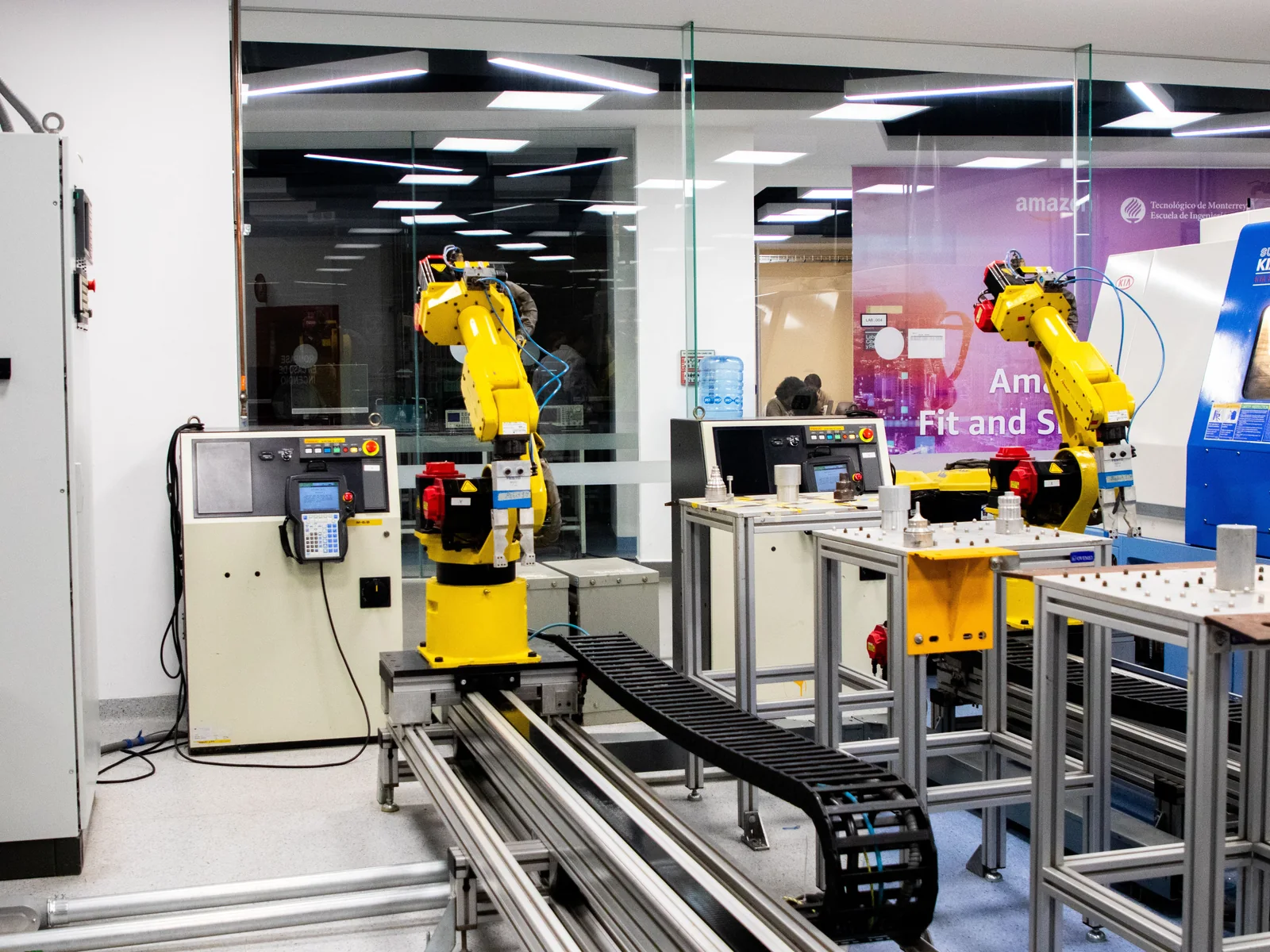
03 · Changeover recovery
Recover after the cell changes.
New fixtures, toolheads, product families, or cell layouts can invalidate prior assumptions. Historical intervention traces can provide a structured warm start for revalidation.
- Product-family transitions
- Layout and fixture changes
- Tooling and payload changes
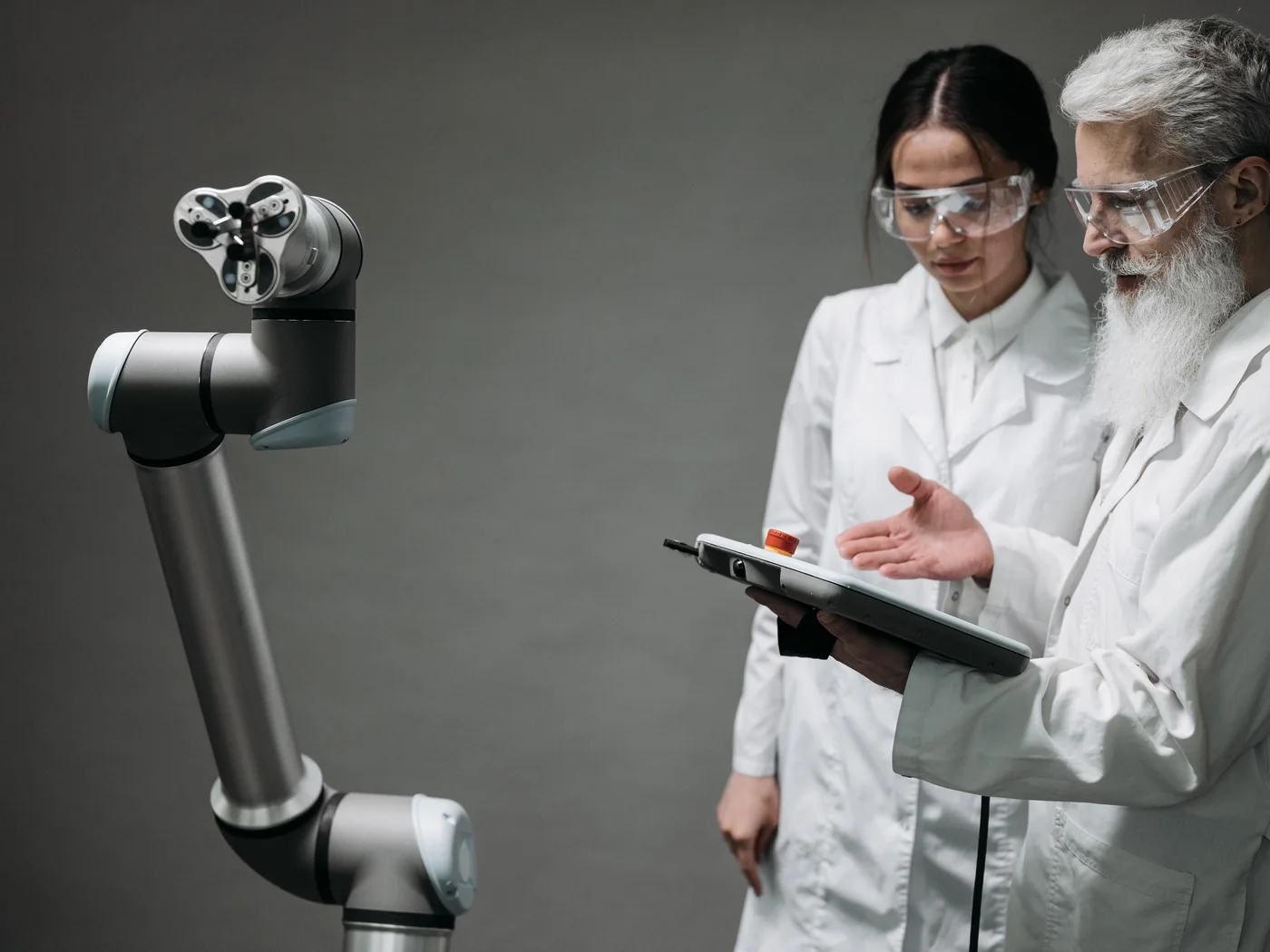
04 · OEM runtime layer
Build intervention and attribution into controller software.
For OEMs and platform teams, the runtime can be treated as an application-layer safety-learning interface with configurable estimators, action handling, and event exports.
- Controller middleware
- SDK licensing
- System-integrator deployment tools